You have a heat patch product. It’s on your shelf. It sells — okay.
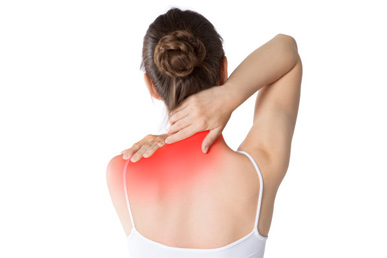
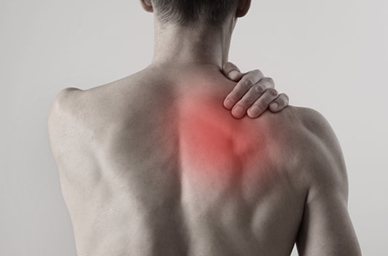
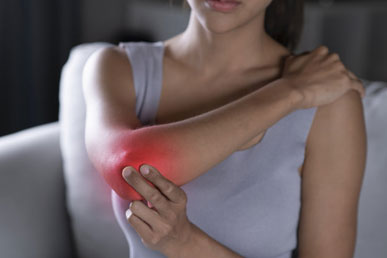
But you look at the competition. Some brands have five, ten, even fifteen different heat patches. They seem to have an answer for everything: menstrual cramps, back pain, neck tension, joint stiffness, cold weather.
You wonder: is the complexity worth it? Do I really need more than one heat patch?
The answer, increasingly, is yes.
As a heat patch OEM manufacturer, Kangzhimei has worked with brands that started with one SKU and scaled to complete product ecosystems. In this guide, we’ll show you how to build a heat patch portfolio that captures multiple consumer need states — and why specialization drives profitability.
Part 1: The Market Context — $1.33 Billion and Growing
The global menstrual pain relief patches market was valued at $1.33 billion in 2025** and is projected to grow at **5.1% CAGR** to reach **$2.15 billion by 2035 . Heat-based patches dominate the segment, generating $986 million in 2025 .
Beyond menstrual care, the broader heat patch market — including back pain, joint pain, and body warming patches — expands the opportunity significantly.
| Driver | Impact |
|---|---|
| Women’s health focus | Growing recognition of menstrual health as a priority |
| Demand for non-medicated solutions | Consumers want drug-free pain management |
| Normalization of menstrual care | Reduced stigma — more open conversations |
| Active lifestyles | Women in education, employment, physical activity need reliable, portable relief |
| Discrete, convenient products | Patches that integrate into daily routines |
The strategic implication: The market is growing — but it’s also fragmenting. Different consumer segments want different heat patches for different needs.
Long-tail keyword: heat patch market growth 2026 private label
Part 2: The Problem with a Single SKU
The limitation of a one-size-fits-all heat patch:
| Consumer Need | Single SKU Problem |
|---|---|
| Menstrual cramps | Patch may be too hot or not shaped for abdomen |
| Lower back pain | Standard size may not cover the full lumbar area |
| Neck tension | Standard patch may be too large, uncomfortable |
| Sensitive skin | Standard adhesive may cause irritation |
| Arthritis joints | Standard patch may not flex with joint movement |
| Cold weather warmth | Standard temp may not be warm enough |
The result: You sell to the “middle of the market” — but you miss the niche buyers who would pay more for a product that specifically meets their need.
The opportunity: Specialized heat patches command higher margins and build brand loyalty. Once a woman finds a menstrual cramp relief patch that works perfectly, she will buy it again and again — and she’ll remember your brand for other needs too.
Long-tail keyword: heat patch product line strategy for brands
Part 3: The Kangzhimei Heat Patch Portfolio Framework
A complete heat patch portfolio addresses three dimensions:
| Dimension | What It Means | Consumer Benefit |
|---|---|---|
| 1. Anatomy | Different shapes for different body parts | Better coverage, better comfort |
| 2. Temperature profile | Different heat levels for different needs | Gentle (sensitive skin), Standard, Extra Warm (outdoor) |
| 3. Duration | 6h, 8h, 10h, 12h, 14h options | Match patch to activity — short walk vs. long workday |
Kangzhimei’s recommended 6-SKU portfolio:
Long-tail keyword: complete heat patch product ecosystem for wellness brands
Part 4: Technology Differentiation — Hydrogel vs. Air-Activated
The heat patch market offers two primary technologies. Each has distinct advantages for different use cases.
Air-Activated Heat Patches (Iron Oxidation):
The strategic implication: Most heat patch brands focus on air-activated technology. Hydrogel patches offer a premium, differentiated alternative — particularly for the menstrual care market, where skin sensitivity is a key concern .
Kangzhimei’s position: We manufacture both air-activated and hydrogel-based heat patches — allowing your brand to offer a full spectrum of options.
Long-tail keyword: hydrogel vs air activated heat patch for menstrual pain
Part 5: Customization — What Brands Can Differentiate
OEM and ODM customization options from Kangzhimei:
OEM capabilities from established manufacturers:
| Capability | Detail |
|---|---|
| Production lines | 15+ advanced production lines |
| Annual output | Millions of units |
| Custom shapes | Can produce heat patches of any shape |
| R&D | Over 130 types of heat patches developed independently |
Long-tail keyword: custom heat patch OEM manufacturing capabilities
Part 6: The Manufacturing Partner — What to Look For
Key certifications for heat patch manufacturing:
Kangzhimei’s certifications: FDA, CE, ISO 13485, GMP, MSDS
What a quality heat patch manufacturer provides:
| Service | Kangzhimei Offering |
|---|---|
| R&D support | Custom formula development |
| Quality control | Batch COA, stability testing |
| Regulatory documentation | COA, MSDS, stability data, safety reports |
| Flexible MOQ | 500 units (OEM) — test before scaling |
| Mixed SKU orders | Combine multiple patch types in one container |
| Shipping coordination | Sea, air, express — to your door or Amazon FBA |
Long-tail keyword: ISO 13485 heat patch manufacturer private label
Part 7: Pricing Strategy — How to Position Your Portfolio
| Tier | SKU Example | Suggested Retail Price | Positioning |
|---|---|---|---|
| Entry | Standard menstrual patch (single) | $3–$5 per patch | Trial — low barrier to entry |
| Core | 5-pack menstrual relief | $12–$18 | Everyday value — the volume driver |
| Premium | 10-pack, gentle-skin formula | $25–$35 | Value pack — higher unit purchase |
| Specialty | Joint comfort wrap, Back Care Plus | $5–$8 per patch | Targeted solution — higher willingness to pay |
| Subscription | Monthly 10-pack subscription | $20–$25/month | Recurring revenue — predictable demand |
Why a tiered portfolio works:
| Benefit | Explanation |
|---|---|
| Captures different price points | Not all consumers have the same budget |
| Builds brand loyalty | Once they trust your entry patch, they upgrade |
| Increases AOV | 5-pack vs. single — 5x the revenue |
| Reduces churn | Subscription locks in repeat purchases |
Long-tail keyword: heat patch subscription box manufacturing partner
Part 8: Case Study — How a Brand Scaled from One SKU to Eight
The brand: A DTC women’s health company founded in 2021
The starting point: One menstrual heat patch — a standard 8-hour patch in a 10-pack.
The challenge: Competitors emerged with back patches, sensitive-skin options, and subscription models. The brand needed to expand to stay relevant.
The Kangzhimei solution:
| Phase | Action | Kangzhimei Role |
|---|---|---|
| Phase 1 | Expand from 1 to 3 SKUs (menstrual, back, travel) | Mixed container order — 500 units each |
| Phase 2 | Add sensitive-skin variant | ODM gentle-adhesive formula |
| Phase 3 | Add hydrogel patch (premium line) | ODM hydrogel technology |
| Phase 4 | Launch subscription model (monthly 10-pack) | Consistent quarterly reorders |
The results (12 months after expansion):
| Metric | Before Expansion | After Expansion |
|---|---|---|
| SKU count | 1 | 6 |
| Monthly revenue | $45,000 | $180,000 |
| Average order value | $22 | $38 |
| Customer retention (12-month) | 34% | 52% |
| Subscription revenue | 0% | 28% of total |
The lesson: Specialization drives growth. A single heat patch is a commodity. A portfolio of specialized patches is a brand.
Long-tail keyword: heat patch brand scaling case study
Part 9: Frequently Asked Questions (Portfolio Strategy Edition)
Q: Is the heat patch market too competitive to enter?
A: The market is competitive but not saturated. The key is differentiation — not just another generic patch, but a specialized product for a specific need state. Brands that target niche segments (sensitive skin, chronic pain, travel, overnight) can build defensible positions.
Q: Should I prioritize air-activated or hydrogel heat patches?
A: Both have a place. Air-activated patches are the volume driver — strong heat, long duration, broad appeal. Hydrogel patches offer a premium, multi-functional alternative (warmth + skincare). Many successful brands offer both .
Q: How many heat patch SKUs should I start with?
A: Start with 2–3: one menstrual relief, one back patch, and one versatile body warmer. Test demand, then expand based on customer feedback and sales data.
Q: Can Kangzhimei manufacture heat patches with custom essential oil blends?
A: Yes. Hydrogel patches can incorporate essential oils like ginger, lavender, chamomile, rosemary, and tea tree . Air-activated patches can also be scented (but must not compromise the oxidation reaction).
Q: What’s the typical shelf life of a heat patch?
A: 2–3 years from date of manufacture when stored sealed in a cool, dry place .
Conclusion: From Single SKU to Product Ecosystem
A single heat patch is a product. A portfolio of specialized heat patches is a brand — one that captures multiple consumer need states, builds loyalty, and grows revenue.
Kangzhimei is a heat patch OEM manufacturer that can help you build that brand. With GMP-certified production, ISO 13485 and CE certifications, flexible MOQs, and both air-activated and hydrogel technology, we provide the foundation for your complete product ecosystem .
📧 Contact Kangzhimei today to start your heat patch portfolio. Include:
- Your target market and distribution channels
- Desired first SKUs (menstrual, back, joint, etc.)
- Estimated order quantity per SKU
We will reply within 24 hours with:
- Portfolio recommendation
- Complete pricing (product + packaging + shipping)
- Sample policy
- Production timeline
- Customization options for your brand
One patch is a product. Six patches is a brand.