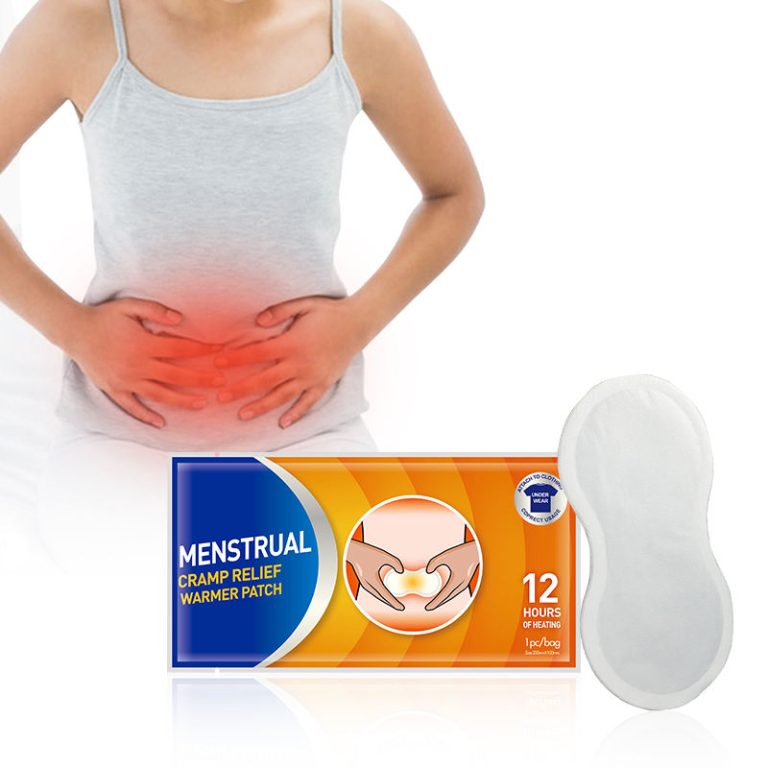
Pain relief creams have become increasingly popular as a non-invasive solution for managing various types of discomfort. These topical treatments offer targeted relief without the systemic side effects often associated with oral medications, making them an attractive option for many individuals seeking comfort.
The effectiveness of pain creams lies in their active ingredients, which work through different mechanisms. Menthol and camphor create cooling or warming sensations that distract the brain from pain signals. NSAIDs like diclofenac penetrate the skin to reduce inflammation directly at the source. Capsaicin, derived from chili peppers, depletes substance P, a neurotransmitter responsible for sending pain signals to the brain.
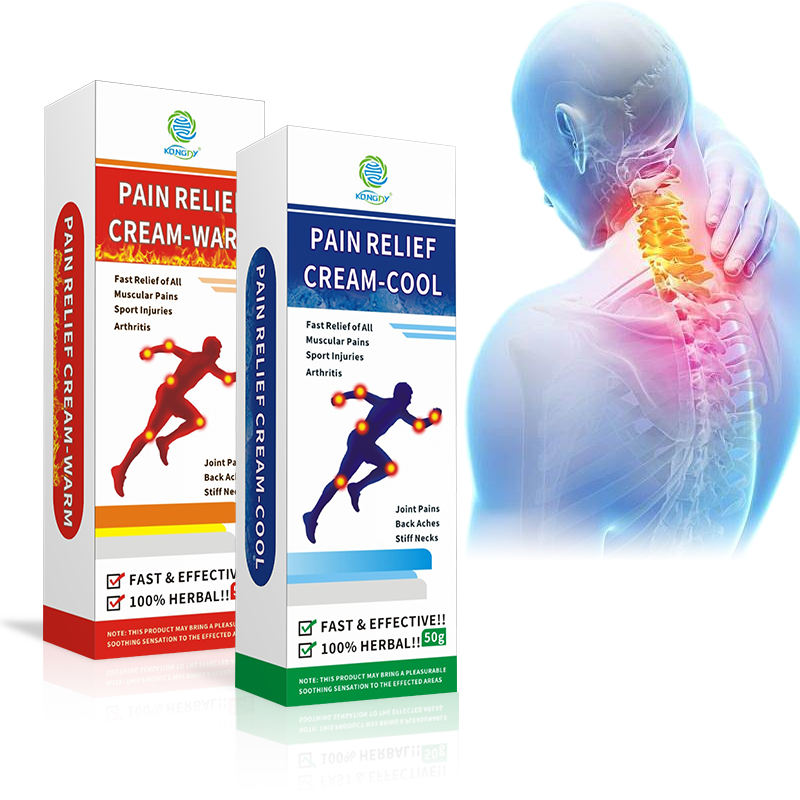
One of the primary advantages of topical pain relief is its localized action. When applied directly to the affected area, the cream delivers therapeutic ingredients where they’re needed most. This targeted approach means higher concentrations reach the painful site while minimizing exposure to other body systems, reducing the risk of gastrointestinal issues or other complications common with oral pain medications.
Pain creams are particularly beneficial for conditions like arthritis, muscle strains, backaches, and joint pain. Athletes frequently use them for post-workout recovery, while office workers find relief from tension-related discomfort. The convenience of application makes them ideal for on-the-go pain management.
For optimal results, apply the cream to clean, dry skin and massage gently until fully absorbed. Most formulations work within minutes, though some may require regular application for cumulative benefits. Always follow the product instructions and avoid applying to broken skin or sensitive areas.
While pain creams are generally safe, it’s important to be aware of potential skin reactions. Start with a small test area if you’re trying a new product. If you experience persistent pain or severe symptoms, consult a healthcare professional to rule out underlying conditions requiring medical attention.