
Pain cream has become an increasingly popular solution for people seeking effective, non-invasive pain relief. Understanding how these topical treatments work can help you maximize their benefits and incorporate them into your wellness routine effectively.
When you apply pain cream to your skin, the active ingredients begin working through multiple mechanisms. First, they penetrate the skin barrier to reach underlying tissues, muscles, and joints. This process, called transdermal absorption, allows therapeutic compounds to access the specific area causing discomfort. The ingredients then interact with pain receptors and inflammatory pathways to provide relief.
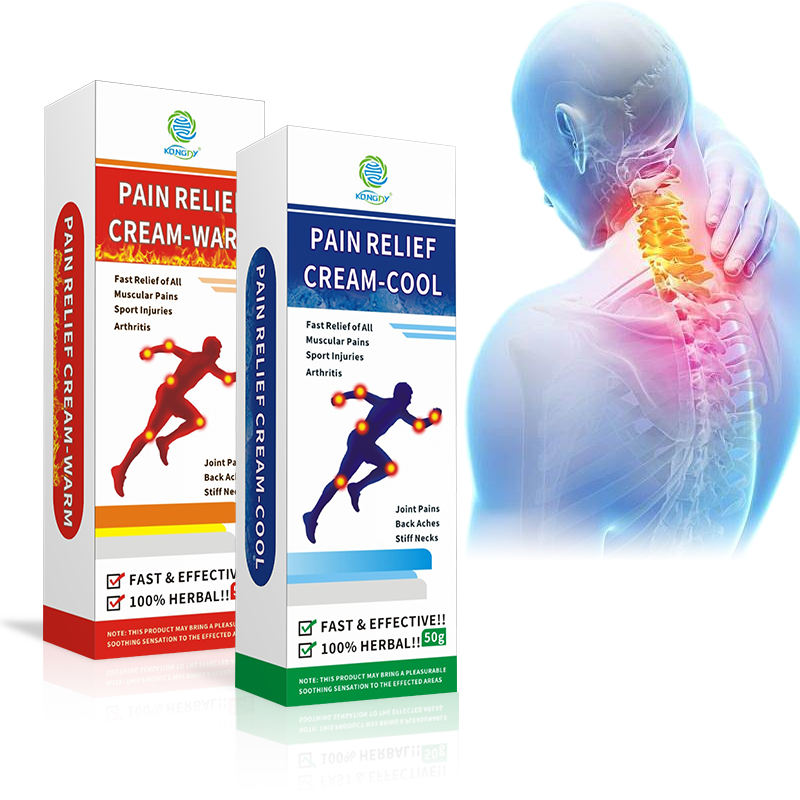
Different pain creams utilize various active ingredients, each with unique properties. Menthol-based creams create a cooling sensation that helps distract from pain signals while improving blood flow to the area. Capsaicin creams initially produce warmth and may cause temporary tingling, but they work by depleting substance P, a neurotransmitter involved in pain signaling. Anti-inflammatory ingredients like diclofenac or ibuprofen reduce swelling and inflammation that contribute to pain.
For optimal results, apply pain cream to clean, dry skin and massage gently until fully absorbed. Most people experience relief within 15-30 minutes of application, with effects lasting several hours. You can reapply as directed throughout the day for sustained comfort.
Pain cream is particularly beneficial for localized pain conditions such as back pain, knee discomfort, shoulder tension, and post-workout muscle soreness. By targeting pain at its source without requiring oral medication, pain cream offers a practical solution for managing discomfort while minimizing potential side effects. Always consult with healthcare professionals about incorporating pain cream into your pain management strategy, especially if you have underlying health conditions or take other medications.