You’re a brand owner or distributor looking at the menstrual cramp relief patch category. The numbers are compelling: the global market is valued at $1.33 billion in 2025** and projected to reach **$2.15 billion by 2035 at a 5.1% CAGR . The North American market alone accounts for approximately 38% of total revenue — with the United States generating $233.7 million in 2025 .
But here’s the challenge: while demand is surging, competition is intensifying. Major players — including Rael, BeYou, The Good Patch, Sirona Hygiene, and Nua Lagom Labs — collectively hold about 15% market share, indicating a moderately fragmented market with room for new entrants .
As a menstrual heat patch OEM manufacturer, Kangzhimei helps brands navigate this $1.33B market. In this guide, we’ll analyze the market structure, product segmentation, consumer trends, and provide a strategic framework for launching a private label menstrual cramp relief patch brand.
Part 1: Market Overview — $1.33B and Growing
Distribution channels:
| Channel | Share | Growth Rate |
|---|---|---|
| Pharmacy & Drug Stores | ~42% | Stable |
| Online Retail | Fastest-growing | 14.2% CAGR |
| Supermarkets/Hypermarkets | Significant | Moderate |
| Specialty Stores | Growing | Steady |
Long-tail keyword: menstrual pain relief patch market size 2026
Part 2: Product Segmentation — Heat Patches Dominate
By product type:
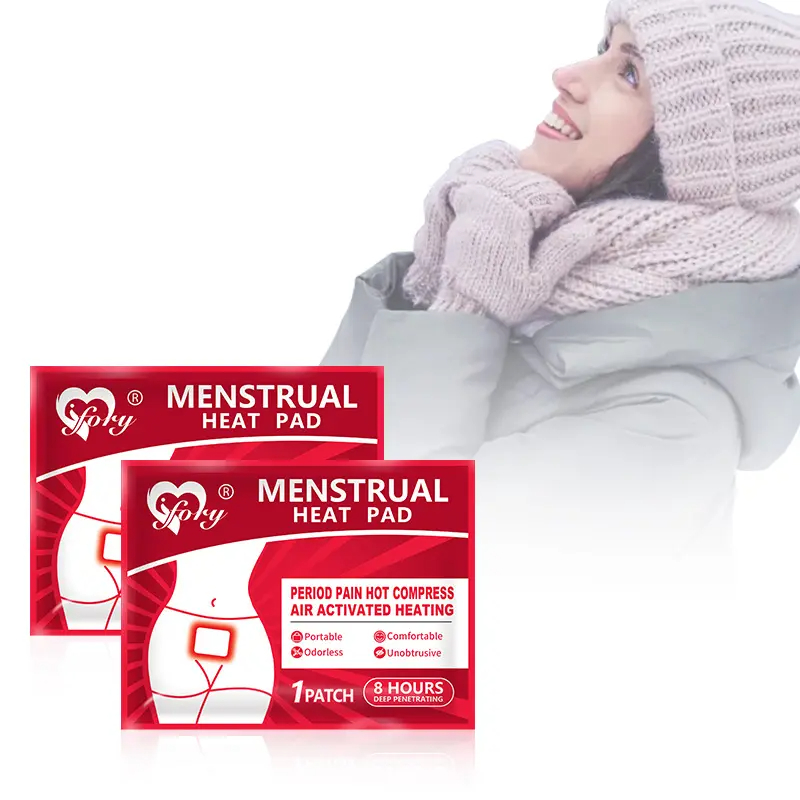
Why heat patches dominate:
Long-tail keyword: heat patch vs herbal patch for menstrual cramps
The herbal trend: Herbal patches are emerging as a fast-growing sub-segment, reflecting the broader trend toward natural and alternative therapies. These patches often incorporate traditional remedies such as menthol, camphor, and essential oils (lavender, chamomile), appealing to health-conscious consumers and those with sensitivities to conventional painkillers .
Part 3: Consumer Trends — What’s Driving Growth
Trend 1: Shift from oral to non-pharmacological pain relief
More women are seeking to use fewer pharmaceutical medications and reduce potential side effects. The application of heat and topical mechanisms provides a more concentrated, medication-free solution, and patches may be perceived as a gentler way to achieve pain relief .
Trend 2: Natural and herbal formulations
Consumers increasingly want “clean” ingredients made from plants. Herbal disposable patches infused with natural plant and herb extracts that provide soothing or warming properties are meeting this preference .
Trend 3: Convenience and portability
Women with busy lifestyles — in education, employment, and physical activity — need reliable pain relief that does not interfere with daily responsibilities. The compact nature of wearable patches makes them popular among women who need discreet pain relief under clothing .
Trend 4: Holistic menstrual wellness
There is a growing interest in integrating complementary therapies into menstrual health solutions. Some patches combine the benefits of aromatherapy with traditional cramp relief methods — infused with essential oils known for calming properties, offering a more holistic approach to menstrual wellness .
Long-tail keyword: herbal disposable period pain patch consumer trends
Part 4: Competitive Landscape — Who’s Playing and Where the Gaps Are
Top players:
Top 5 players collectively hold ~15% market share — indicating a moderately fragmented market with significant opportunity for new entrants .
Gaps in the market:
Long-tail keyword: menstrual patch market share top brands 2025
Part 5: Regional Opportunities — Where to Play
North America: The largest market, accounting for approximately 38% of total revenue. The United States generated $233.7 million in 2025 . The region’s dominance is underpinned by high consumer awareness, strong purchasing power, and widespread availability of advanced healthcare products. The regulatory environment supports product innovation and ensures high standards of safety and efficacy .
Asia Pacific: The fastest-growing region, projected to register a 12.1% CAGR from 2025 to 2033 . Rapid urbanization, rising disposable incomes, growing awareness of menstrual health, and the surge in e-commerce adoption are key drivers. Local manufacturers are introducing affordable and culturally tailored solutions — an entry point for international brands seeking expansion .
Emerging markets (Latin America, Middle East & Africa): Significant potential driven by shifting demographic trends, increasing advocacy for women’s health rights, and regulatory reforms helping to break taboos around menstruation .
Long-tail keyword: asia pacific menstrual pain patch market growth 2026
Part 6: Product Development Framework — Building Your Patch Portfolio
Kangzhimei’s recommended 4-SKU menstrual patch portfolio:
| SKU | Target User | Key Feature | Heat Duration | Suggested Price Point |
|---|---|---|---|---|
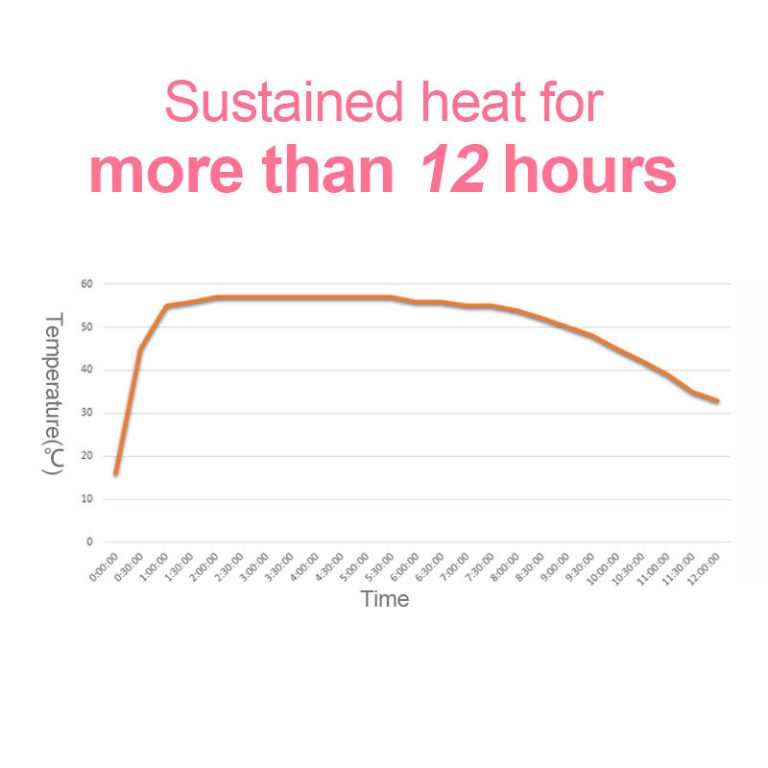
| Daily Comfort | Working professionals, students | 12-hour heat, discreet | 12 hours | $2–$3 per patch |
| Gentle Skin | Sensitive skin users | Hypoallergenic adhesive, 40°C | 10 hours | $3–$4 per patch |
| Herbal Comfort | Natural/organic consumers | Plant-based ingredients + heat | 10 hours | $3–$5 per patch |
| Overnight Relief | Nighttime sufferers | Low-temp (40°C), extended wear | 12 hours | $2–$3 per patch |
Customization options for ODM:
Long-tail keyword: private label menstrual patch product portfolio strategy
Part 7: Technology and Innovation — Future-Proofing Your Brand
Emerging trends in menstrual patch technology:
The market perspective: Innovation within the sector has led to the development of customizable patches with varying intensities of heat or vibration options. The integration of wearable health technology is gaining momentum, making menstrual pain relief more tailored and data-driven .
Long-tail keyword: wearable period pain patch technology trends
Part 8: Kangzhimei’s Manufacturing Advantage
Competitor differentiation: Unlike trading companies, Kangzhimei operates its own manufacturing facility with dedicated production lines under cleanroom conditions . This ensures consistent quality, batch-to-batch COAs, and complete supply chain control.
Part 9: Frequently Asked Questions (B2B Edition)
Q: What’s the minimum order quantity for private label menstrual patches?
A: Kangzhimei offers OEM with MOQ of 500 units per SKU — allowing low-risk market entry and demand testing before scaling.
Q: Can I start with a small test order (e.g., 100 units)?
A: We offer sample packs of 50–100 units for product testing (higher per-unit cost, low upfront investment). Contact us for pricing.
Q: What certifications does Kangzhimei hold?
A: CE, FDA, MSDS, ISO 13485 — meeting US, EU, and international regulatory requirements .
Q: Can Kangzhimei manufacture patches with custom essential oil blends?
A: Yes. Herbal patches are a fast-growing sub-segment. We can infuse patches with lavender, chamomile, eucalyptus, and other natural extracts .
Q: Can Kangzhimei ship directly to Amazon FBA?
A: Yes. We label units with Amazon-compatible barcodes (FNSKU) and prepare pallets to Amazon specifications.
Conclusion: Your $1.33B Opportunity Starts Here
The menstrual cramp relief patch market is growing — from $1.33 billion to $2.15 billion by 2035 . Heat-based patches dominate, herbal patches are the fastest-growing sub-segment, and Asia Pacific offers the highest growth rate .
Brands that enter now — with clear positioning, targeted product portfolios, and reliable manufacturing partners — can capture this growing demand.
Kangzhimei is a menstrual heat patch OEM manufacturer with the certifications, flexibility, and manufacturing capability to help you succeed.
📧 Contact Kangzhimei today to start your menstrual patch brand. Include:
- Your target market and distribution channels
- Desired patch type (heat, herbal, gentle skin, overnight)
- Estimated first order quantity
We will reply within 24 hours with:
- Product recommendations
- Complete pricing (product + packaging + shipping)
- Sample policy
- Production timeline
$1.33B market. Your brand. Our factory.