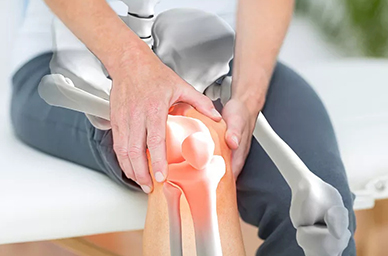
Pain relief creams have become increasingly popular solutions for those seeking non-invasive treatment options for muscle aches, joint pain, and general discomfort. These topical analgesics work by delivering active ingredients directly through the skin to the affected area, providing targeted relief without the systemic effects of oral medications.
Most pain creams contain ingredients like menthol, camphor, capsaicin, or non-steroidal anti-inflammatory compounds. Menthol and camphor create a cooling sensation that helps distract from pain signals, while capsaicin works by depleting substance P, a neurotransmitter that sends pain messages to the brain. Other formulations include salicylates, which are absorbed into the skin and provide anti-inflammatory benefits similar to aspirin.
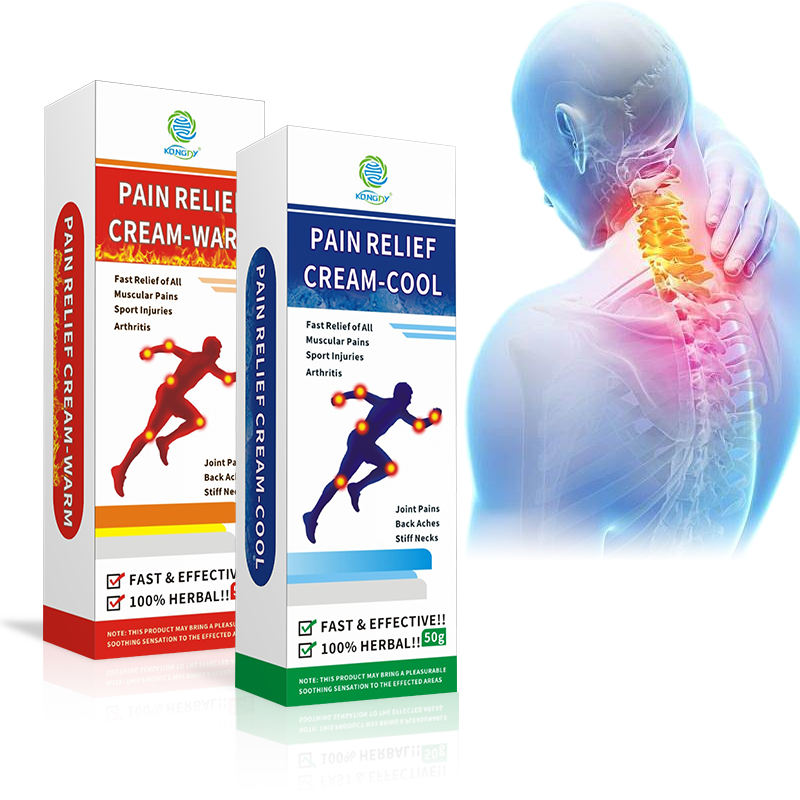
The advantages of using pain cream are numerous. First, they offer localized treatment, meaning you apply relief exactly where you need it most. This targeted approach minimizes potential side effects that can occur with oral pain medications. Second, pain creams typically work quickly, with many users experiencing relief within 15-30 minutes of application. Third, they’re convenient and easy to use, making them ideal for active lifestyles.
When choosing a pain cream, consider your specific needs. Athletes might prefer formulations with cooling menthol for post-workout recovery, while those with arthritis may benefit from creams containing capsaicin or anti-inflammatory agents. Always read the label carefully and follow application instructions for best results.
For optimal effectiveness, apply pain cream to clean, dry skin and massage gently until fully absorbed. Avoid using heating pads immediately after application unless the product specifically recommends it. Most pain creams can be applied three to four times daily, but always consult the product guidelines.
Whether you’re dealing with chronic joint pain, sports injuries, or everyday muscle soreness, pain relief creams offer a practical, effective solution. Their ease of use, rapid action, and targeted delivery make them an essential addition to any pain management routine.