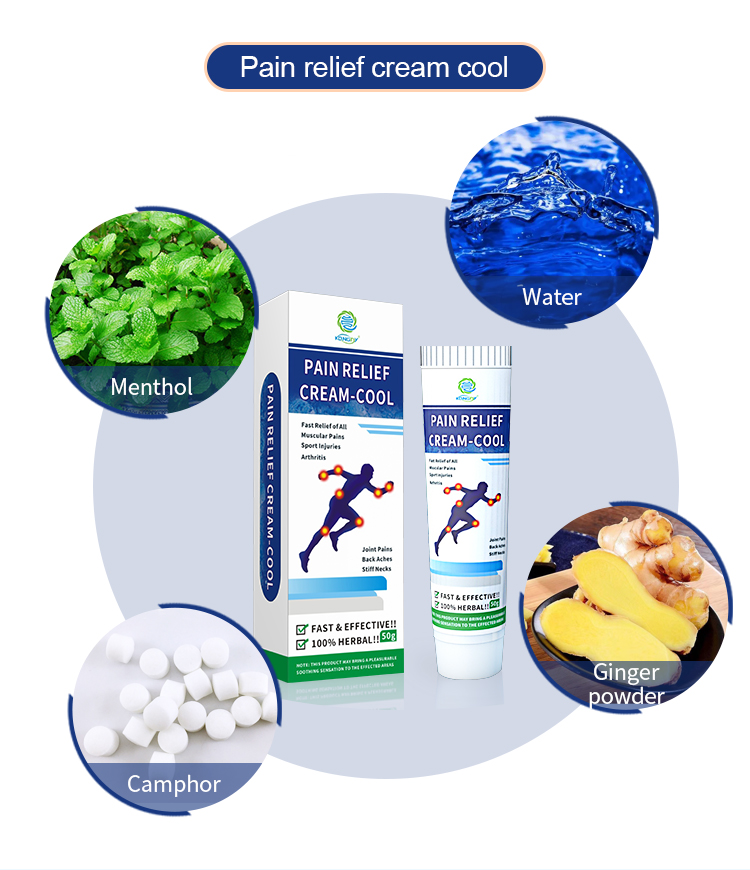
Navigating the pain cream market can feel overwhelming with countless products promising relief from aches and pains. Understanding what distinguishes effective formulations from mediocre ones helps you make informed decisions about your pain management strategy and ensures you get the results you’re seeking.
Quality pain creams typically feature clinically-tested active ingredients in therapeutic concentrations. Look for products containing menthol, methyl salicylate, or lidocaine for numbing effects, or capsaicin for longer-lasting relief from chronic pain conditions. Natural alternatives like arnica, CBD, or essential oils appeal to those preferring plant-based solutions, though effectiveness varies among individuals.
The delivery system significantly impacts how well a pain cream performs. Advanced formulations use penetration enhancers that help active ingredients reach deeper tissue layers where inflammation and pain originate. Creamy textures absorb quickly without leaving greasy residues, making them ideal for use throughout the day, even under clothing.
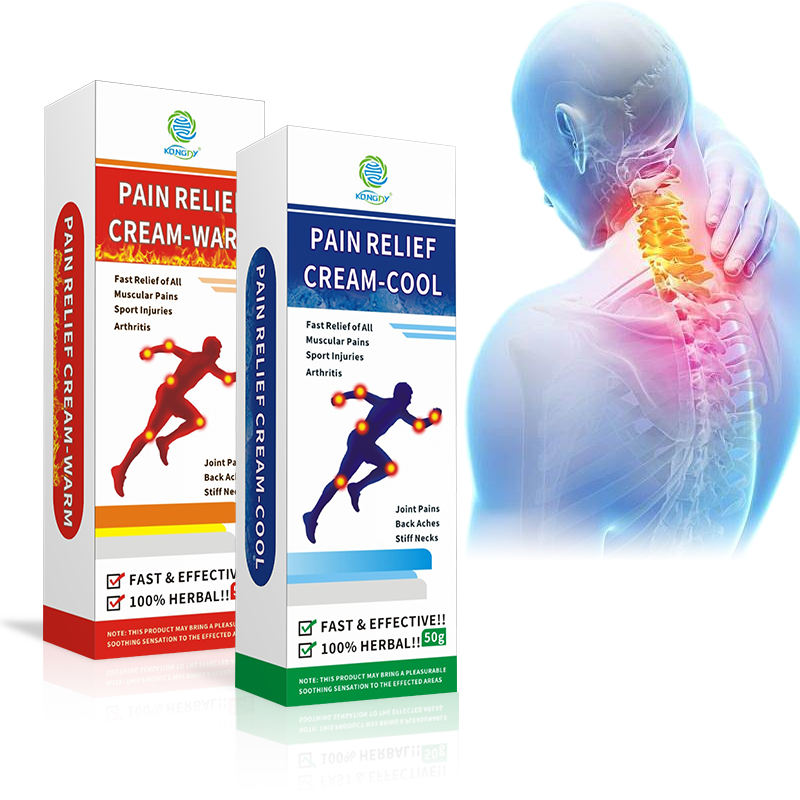
Different pain types respond better to specific ingredients. Acute injuries from exercise or physical activity often improve with cooling menthol-based creams that reduce inflammation and provide immediate comfort. Chronic conditions like arthritis or fibromyalgia may require warming formulas that increase blood flow and relax tight muscles over time.
Safety considerations matter when using pain creams regularly. Always perform a patch test on a small skin area before full application to check for allergic reactions. Avoid applying pain cream to broken skin, wounds, or irritated areas. Never combine topical pain relievers with heating pads unless specifically instructed, as this can cause burns or excessive absorption.
Reading customer reviews and seeking recommendations from healthcare providers provides valuable insights into product effectiveness. While individual responses vary, patterns in user experiences can guide your selection process.
Remember that pain cream works best as part of a comprehensive pain management approach. Combining topical treatments with appropriate rest, gentle exercise, proper nutrition, and stress management creates optimal conditions for healing and long-term relief from discomfort.