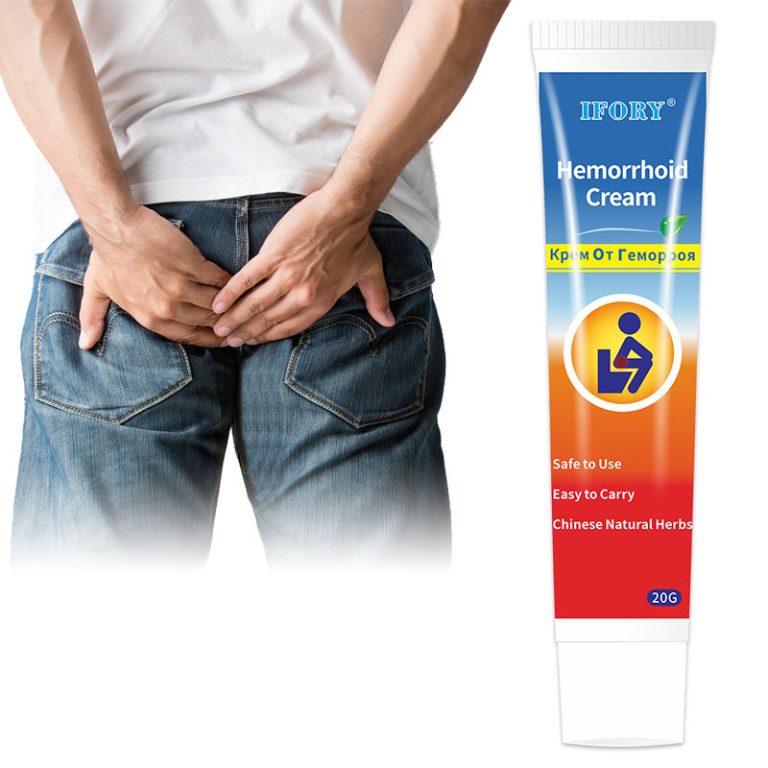
Living with chronic pain, sore muscles, or joint discomfort can take a serious toll on your quality of life. Whether you’re an athlete recovering from a tough workout, an office worker dealing with back tension, or someone managing arthritis, finding the right pain cream can make a world of difference. In this guide, we’ll explore what makes a pain cream effective, what ingredients to look for, and how to choose the best product for your needs.
How Does Pain Cream Work?
Pain cream works by delivering active ingredients directly through the skin to the affected area. Unlike oral pain relievers, topical pain creams target localized discomfort without going through the digestive system. This means faster action at the source, reduced risk of stomach side effects, and precise application where you need it most. Most high-quality pain creams use a combination of analgesic, anti-inflammatory, and soothing agents to deliver comprehensive relief.
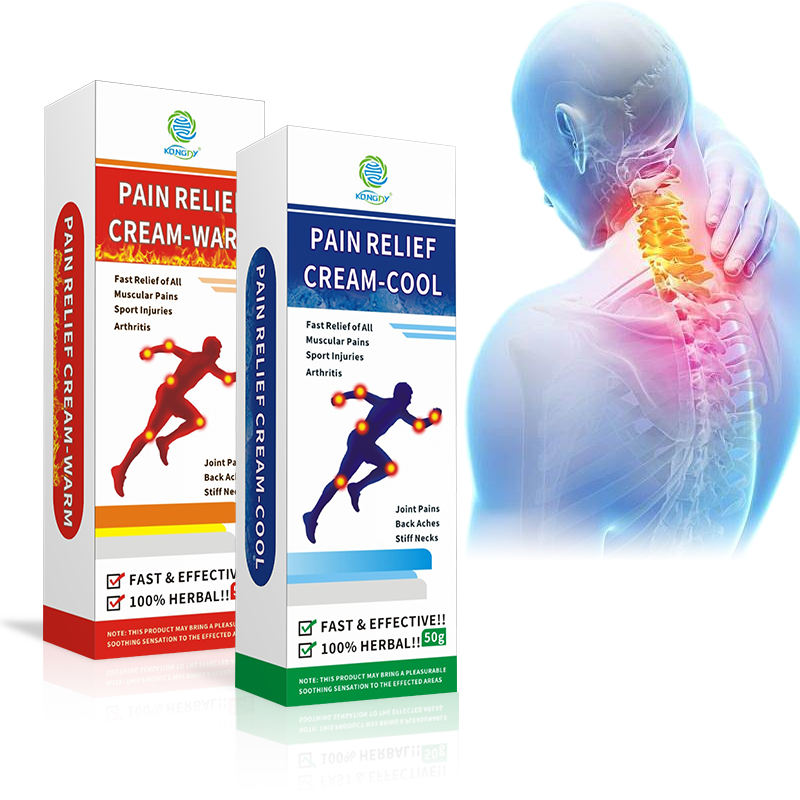
Key Ingredients in Effective Pain Creams
When shopping for a pain cream, the ingredient list tells you everything. Menthol is one of the most common active ingredients, providing an immediate cooling sensation that distracts from pain signals. Camphor works similarly, offering both warming and cooling effects that improve local circulation. Arnica, a plant-based extract, is well-regarded for reducing bruising, swelling, and muscle soreness. Lidocaine, a topical anesthetic, numbs nerve endings to block pain signals directly. For joint and arthritis pain, look for diclofenac sodium or capsaicin, both proven to reduce inflammation and chronic discomfort with consistent use.
Who Can Benefit from Pain Cream?
Pain cream is suitable for a wide range of people and conditions. Athletes and fitness enthusiasts use it for muscle recovery after intense training sessions. Individuals with arthritis or chronic joint pain rely on it for daily comfort and mobility. People with neck, shoulder, or lower back pain from prolonged sitting or physical labor also find significant relief. Even those recovering from minor injuries or strains can benefit from the anti-inflammatory properties of a good pain cream. Because most topical creams are non-habit-forming and have minimal systemic effects, they are a safe choice for many users.
Tips for Choosing the Right Pain Cream
Always identify the type of pain you have before selecting a product. Muscle soreness responds well to menthol or arnica-based creams, while joint and nerve pain may require capsaicin or lidocaine formulas. Consider your skin sensitivity and avoid products with excessive fragrances or harsh chemicals. Check for third-party testing and transparent labeling to ensure you are getting a safe, effective product. Finally, consult your healthcare provider if you are pregnant, nursing, or managing an underlying health condition. Choosing the right pain cream means understanding your body and investing in a product that truly works.